
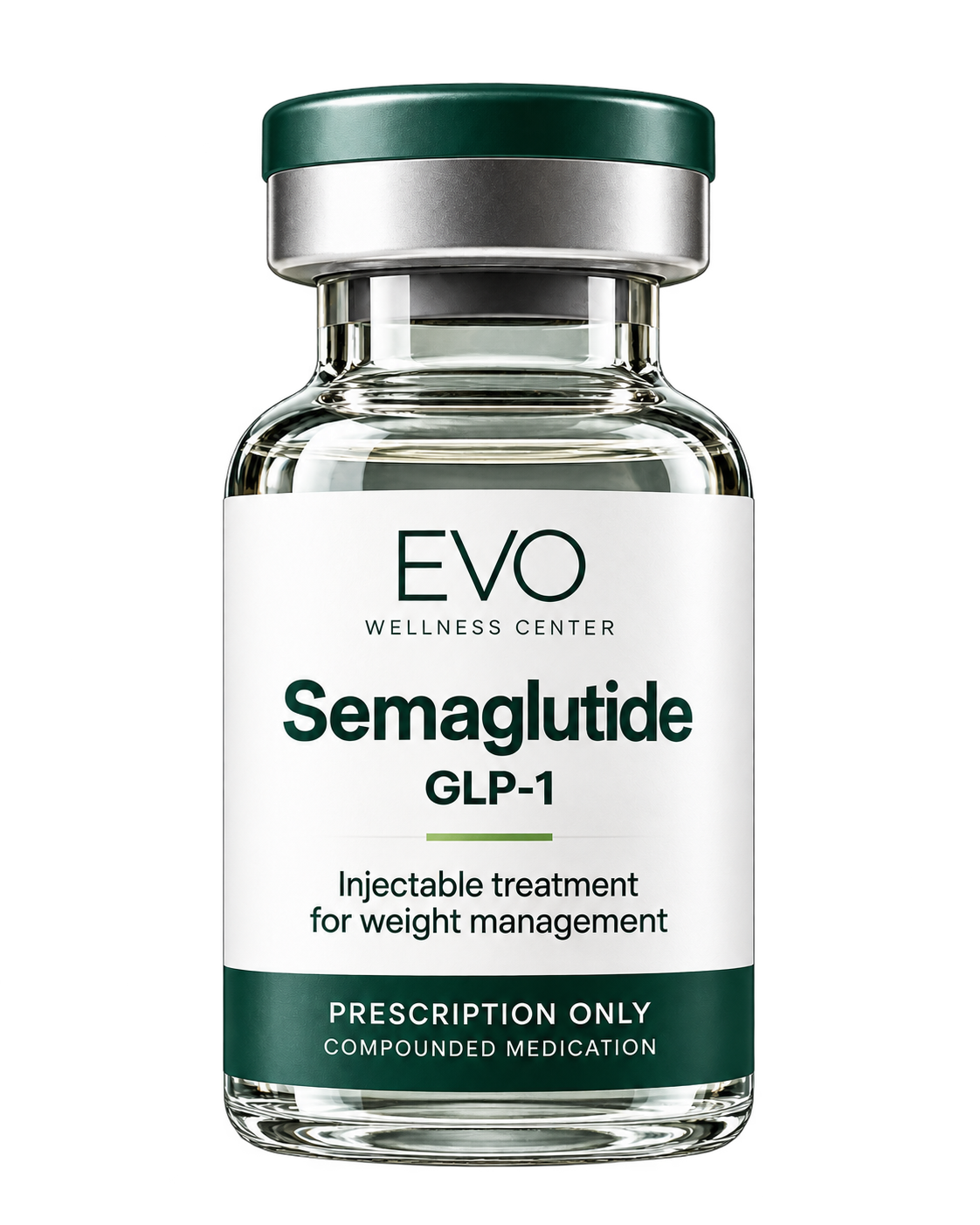
Semaglutide acts on GLP-1 related pathways involved in appetite, fullness and metabolic signalling. It may form part of a broader weight-management plan when appropriate.
GLP-1 pathways are involved in how the body signals hunger and satiety. Some people may experience reduced appetite or feel satisfied sooner during treatment.
Medication should not be treated as a standalone solution. Nutrition, activity, habits, monitoring and individual health circumstances remain important parts of the journey.
Semaglutide influences biological signals involved in appetite regulation and satiety. Individual response varies.
Treatment acts on GLP-1 related signalling involved in hunger and appetite.
Some people may feel fuller sooner or for longer after eating.
Changes in appetite may support lower food intake as part of a structured weight-management plan.
Suitability is determined individually. These examples are general and do not determine eligibility.
You are looking for more structure around your weight-management journey rather than relying on repeated short-term attempts.
Appetite, hunger or difficulty maintaining dietary changes has been a recurring challenge in your previous efforts.
You want your treatment options considered alongside your health history, medication and individual circumstances.
Treatment response varies. Your experience should be considered over time rather than judged by one week or one number on the scale.
There is no guaranteed amount or speed of weight loss. Progress depends on multiple factors including biology, duration, treatment, lifestyle and broader health circumstances.
Weight management is generally a longer-term process. Appetite, dietary habits and weight may change at different rates from one person to another.
Weight-management medicines can cause side effects and may not be appropriate in every health circumstance.
Some people can experience nausea, particularly during periods of adjustment.
Vomiting, diarrhoea, constipation or abdominal discomfort may occur.
Existing conditions and current medicines may affect whether treatment is appropriate.
Relevant pregnancy, breastfeeding or pregnancy-planning circumstances should be disclosed during assessment.
Share relevant health information, medication and goals.
Your circumstances help determine whether this pathway may be appropriate.
If suitable, you receive guidance on the next stage of your plan.
Progress and experience help guide your continued wellness journey.
Start with your EVO assessment so the next step can be considered around your health information, goals and individual circumstances.
Check your suitability →